
|
Arable
Matters
|
          |
From earliest times man has used his ingenuity to coax the most that he can from the soil. He has tried to select the healthiest grains to use as next year's seedcorn and he has tried to arrest the ravages of insect pests, diseases and competing weeds. [Geoffrey Goodson on cereal seeds] Yields of any
crop can be devastated by insect invasion, attack from plant diseases
, by weed infestation or a combination of all three. From 1880 until
the Second World War, the use of chemicals on crops was confined to substances
such as Lime, Copper Sulphate, soaps and tar washes. Most control method
simply relied upon good husbandry and a deep knowledge of the crops and
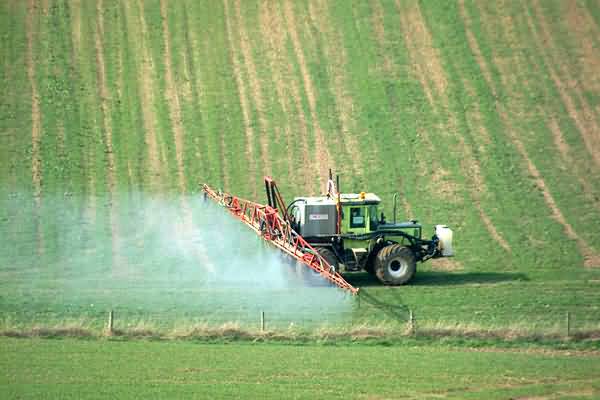
their ailments. [Geoffrey Goodson on agrichemicals] Many new chemicals
were synthesised during the 1960's and 1970's and were widely used on
a variety of crops. Although most of those products are still in use;
a number of them now have far greater restrictions of use placed upon
them. This is because some of the dangers and drawbacks of a new chemical
are not always fully appreciated at the time.
The use of powerful pesticides is, today, a contentious issue.
|